

Quick Summary
Choosing a hair mask for damaged hair starts with identifying whether your hair is dry, broken, or both. Stretch a wet strand: if it springs back, moisture is the main need, but if it snaps or feels mushy, choose a mask that mentions repair or strengthening.
- Hair that feels rough and tangles but does not snap mainly needs moisture.
- Short broken pieces in your brush and fast-appearing split ends point to breakage.
- Dry hair that also breaks often follows bleaching or heat styling.
- Stretch a single wet strand gently to test for structural weakness.
- See a dermatologist or hair specialist if breakage is heavy or shedding seems unusual.
Table of Contents
Start With the Type of Damage: Dryness, Breakage or Both
Last Updated: November 4, 2026
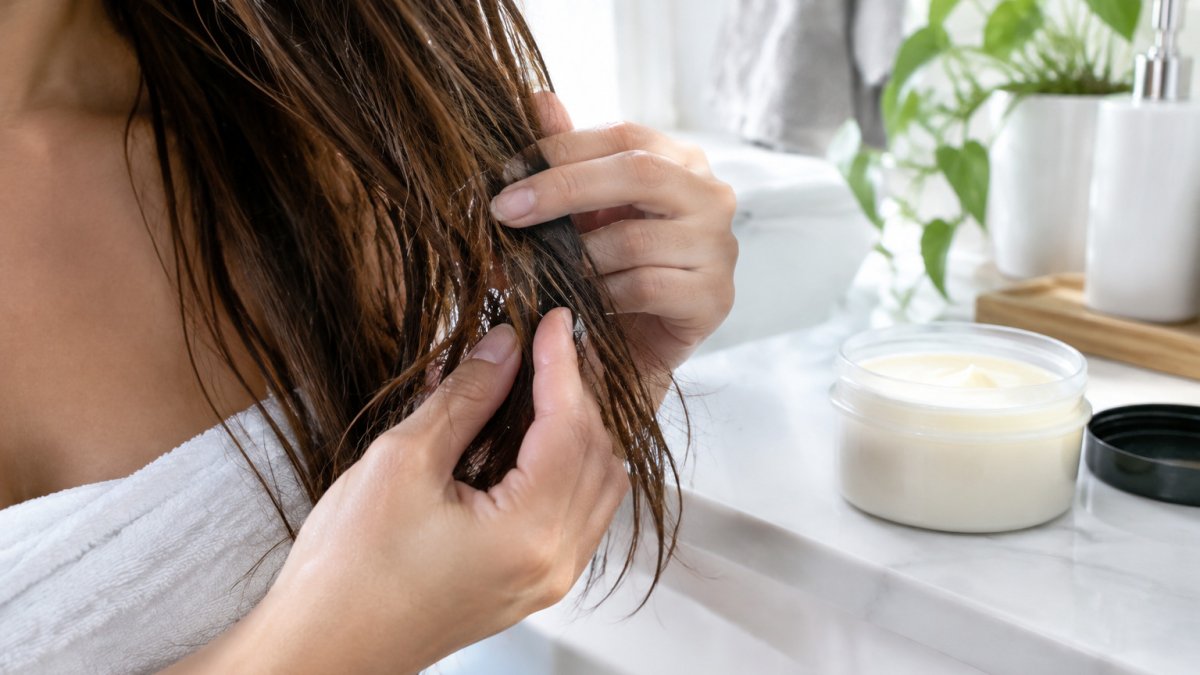
Choosing a hair mask for damaged hair starts with one question: is your hair dry, broken, or both? For a broader view of how masks fit alongside other care steps, see healthy hair routine. Shoppers often grab the mask with the strongest marketing claim, not the one that fits their hair. Matching the mask to the actual problem is what makes the difference.
Damaged hair usually falls into one of two groups. Some hair is thirsty, meaning it lacks moisture and feels rough, dull, or frizzy. Other hair is structurally weak, meaning the strands snap, split, or feel gummy when wet. Both can look like "damage," but they need different treatments.
Telling Moisture Needs From Structural Damage
Here is a simple test. Take a single wet strand and stretch it gently. If it stretches a little and springs back, moisture is likely the main issue. If it snaps quickly or feels mushy, the strand may be structurally compromised.
- Mostly dryness: Hair feels rough after drying, tangles easily, but doesn't snap.
- Mostly breakage: Short broken pieces show up in your brush, and split ends appear fast.
- Both: Hair feels dry and breaks, which is common after bleaching or heat styling.
For dryness, look for masks built around moisturizing ingredients. For breakage, look for masks that mention repair or strengthening. Many masks do both, but knowing your main problem helps you pick the right one.
PURC Repair Hair Mask Green Energy Keratin For Treatment Hair →
Keep in mind that this test is a rough guide, not a diagnosis. If hair breaks heavily or shedding seems unusual, a dermatologist or hair specialist can help you figure out the cause.
Frequently Asked Questions
What hair mask is best for really damaged hair?
There is no single best option, because the right mask depends on why hair is damaged. Hair that feels dry and rough usually needs moisturizing ingredients, while hair that snaps or feels stretchy and weak may need repair-focused formulas with amino acids or keratin. Vanelys Trading carries the PURC Repair Hair Mask Green Energy Keratin, which is described as a rinse-out treatment for dry, frizzy, damaged and chemically treated hair, although it is described for dry, frizzy, damaged and chemically treated hair.
How often should you use a hair mask on damaged hair?
Hair masks are generally recommended once a week for most hair types to keep strands healthy and balanced. Very damaged or bleached hair may benefit from a treatment once or twice a week at first, but watch for signs of overuse. If hair starts to feel stiff, brittle or unusually limp, reduce frequency. The Hoegoa Deep Conditioning Hair Mask, 100 g, suggests leaving the product on for about 3 to 5 minutes before rinsing, which is a useful guide for routine conditioning.
Should I choose a protein or moisturizing hair mask for damaged hair?
Choose a protein-based mask when hair feels weak, stretchy or prone to breakage, and a moisturizing mask when hair feels dry, rough or tangled. Using protein too often can make hair feel hard or brittle, so alternating treatments is a sensible approach. Oil-based products such as the RtopR Moroccan Hair Essential Oil can also be added to a mask routine for extra softness.
Can a hair mask help damaged, frizzy hair?
A hair mask can help frizzy hair look smoother and feel more manageable, mainly by replenishing moisture and smoothing the outer surface of the strand. It will not permanently repair severely broken hair. For frizz, look for masks described as helping to smooth the appearance of frizz, such as the PURC Repair Hair Mask Green Energy Keratin, and apply from the mid-lengths to the ends after shampooing.
