

Last Updated: November 11, 2026
Quick Summary
To identify high quality fashion fabrics, judge construction first and fiber second: check for an even weave, a knit that springs back, tight consistent stitches, and clean seams. Then read the full fiber content, feel the drape and hand feel, and run simple tests for abrasion, pilling, shrinkage, colorfastness, and recovery.
- Hold fabric up to light and look for gaps or repeating uneven slubs in the weave.
- Ring-spun cotton feels denser and resists pilling better than open-end cotton of the same weight.
- Rub fabric against itself ten times and inspect for fuzzing that signals weak fibers.
- Rub a damp white cloth on a hidden seam for five seconds to check colorfastness.
- Stretch a knit for five seconds and confirm it springs back within a few seconds.
Table of Contents
- Start With the Weave and Knit Structure
- How to Identify High Quality Fashion Fabrics Online
- High Quality Materials for Clothing: What to Look For
- Best Quality Fabrics for Clothes: Natural vs Synthetic
- Types of Fabrics With Pictures and Names: A Field Guide
- Simple Tests for Durability, Pilling, and Colorfastness
- Choose Fabrics That Last: A Checklist for Your Next Purchase
- Frequently Asked Questions
Start With the Weave and Knit Structure
Learning how to identify high quality fashion fabrics starts with one habit: look at the structure, not the label. Fabric construction is the strongest early clue to how a garment will wear, drape, and hold its shape. According to Textile Exchange's Materials Benchmark Insights and Trends 2026, sourcing of cotton, polyester, nylon, viscose, and wool through sustainability programs rose from 68% in 2024 to 72% in 2025. That shift matters, but it tells you where fibers come from, not how well they are put together. At Vanelys Trading, we treat construction as the first filter when we assess a piece.
Here is what to check first:
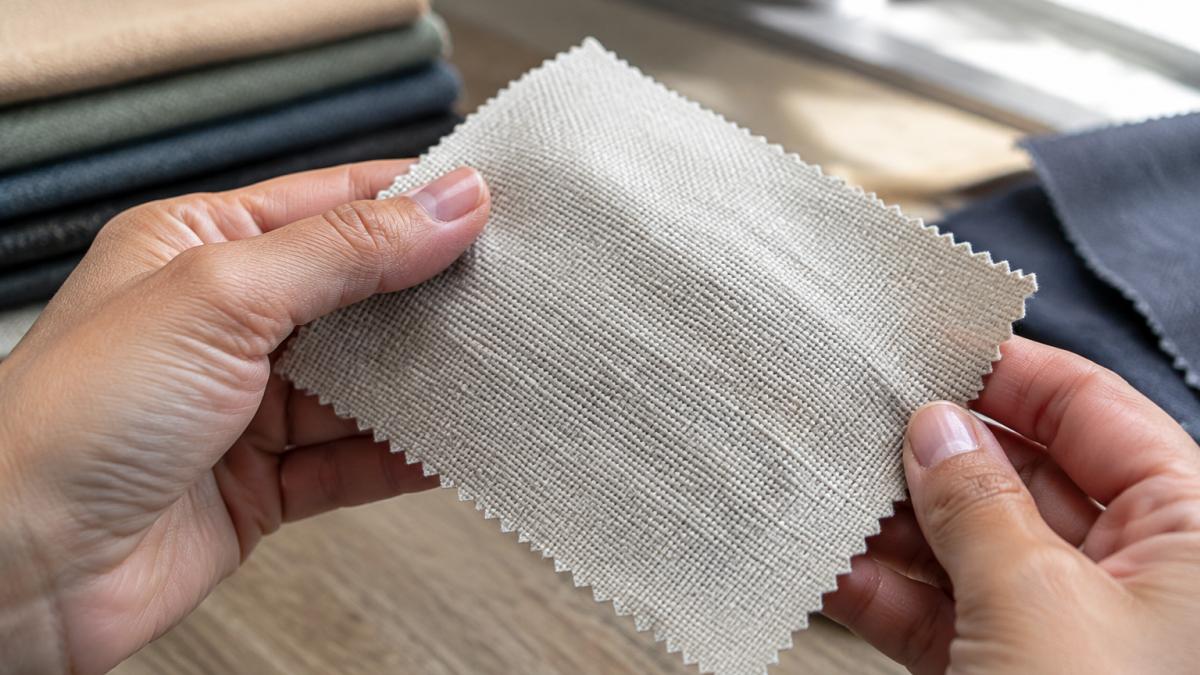
- Even weave: Hold the fabric up to light. Gaps in the weave or slubs that repeat unevenly are warning signs.
- Knit structure: Stretch a knit gently. It should spring back, not stay baggy.
- Stitch density: Tight, consistent stitches outlast loose, rushed ones.
- Selvage and seams: Clean edges and finished seams suggest care in production.
How to Identify High Quality Fashion Fabrics Online
Identifying high quality fashion fabrics online is harder than in person because you cannot touch the cloth. A 2023 study by researchers SY Jang and colleagues on presenting fabrics in digital environments found that designers judge fabric thickness through several cues at once: surface texture, flexibility, transparency, and weight. Visual inspection alone is never a complete assessment, so use every signal a product page gives you. Zoom into photos for texture and sheen. Read the fiber content and care label. Check whether the seller describes weight, weave, or finish. Retailers that publish more detail in their listings make it easier to judge what you are buying. If you want to understand what a considered buying experience looks like, read why buying from independent curated retailers pays off, and see whether curated fashion stores are worth it in 2026 before you commit.
High Quality Materials for Clothing: What to Look For
High quality materials for clothing share a few traits: consistent fiber content, a smooth or intentionally textured surface, and a hand feel that matches the garment's purpose. Start with the label, then test with your hands.
- Fiber content: A clear percentage list beats vague words like "premium blend."
- Hand feel: Good fabric feels cool or warm as intended, never clammy or stiff.
- Drape: Hold a sleeve up. It should fall smoothly, not stand out like cardboard.
- Sheen: Natural luster looks soft; harsh shine often signals heavy finish.
- Color consistency: Check seams and folds for uneven dye.
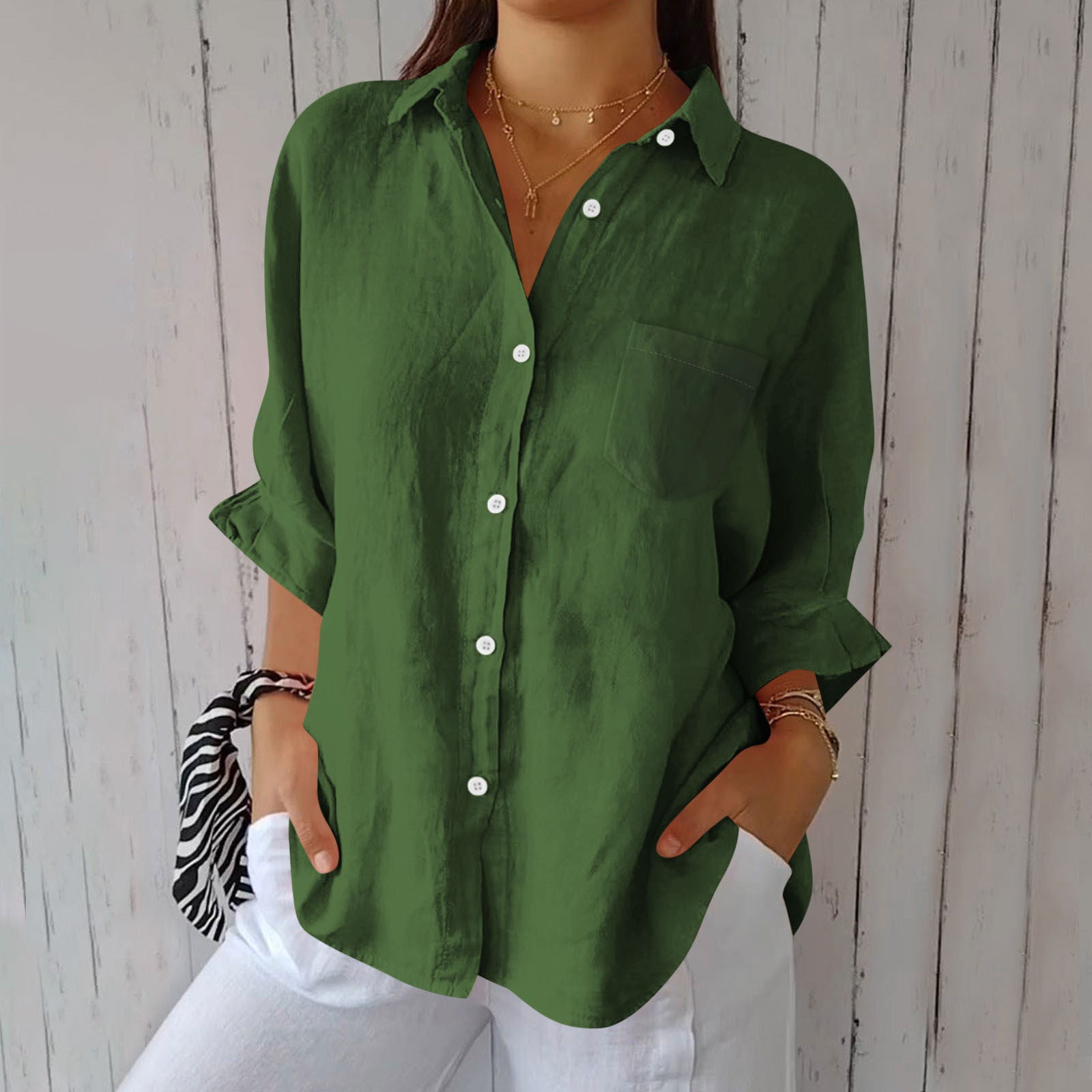
A cotton-linen blend is a good example of materials that balance breathability with structure. You can see this in our relaxed-fit cotton-linen button-down shirt.
Best Quality Fabrics for Clothes: Natural vs Synthetic
The best quality fabrics for clothes depend on use, not on whether a fiber is natural. Cotton, linen, wool, and silk offer breathability and comfort. Polyester, nylon, and viscose blends offer strength, wrinkle resistance, and stretch. Neither group wins outright. The more useful question is not natural versus synthetic but how well a given fiber has been turned into cloth.
Staple length and yarn quality. Natural fibers are sold by staple length, the average length of individual fibers. Longer staples can be spun into finer, stronger, smoother yarns because more fiber overlaps along each strand. Short-staple cotton produces a yarn that pills and sheds more readily; long-staple cotton (often labeled Supima, Pima, or Egyptian) spins into a denser, silkier cloth.
Spinning method. Ring-spun yarn is smoother and stronger than open-end (rotor-spun) yarn because the fibers are twisted more uniformly. A ring-spun cotton tee feels denser and resists pilling better than an open-end tee of the same weight.
Weave and knit structure. The same fiber behaves differently depending on construction. A long-staple cotton in a tight plain weave is crisp and durable; the same cotton in a loose jersey knit is soft but prone to distortion. A wool in a tight twill resists abrasion; the same wool in a loose bouclé pills quickly.
Finishing. Finishes can mask poor raw material. Resin finishes stiffen cheap cotton, silicone softeners create a temporary hand feel that washes out, and calendering presses a sheen onto a mediocre surface. A fabric that feels remarkably smooth at first touch but stiffens or dulls after one wash was likely finished rather than constructed well.
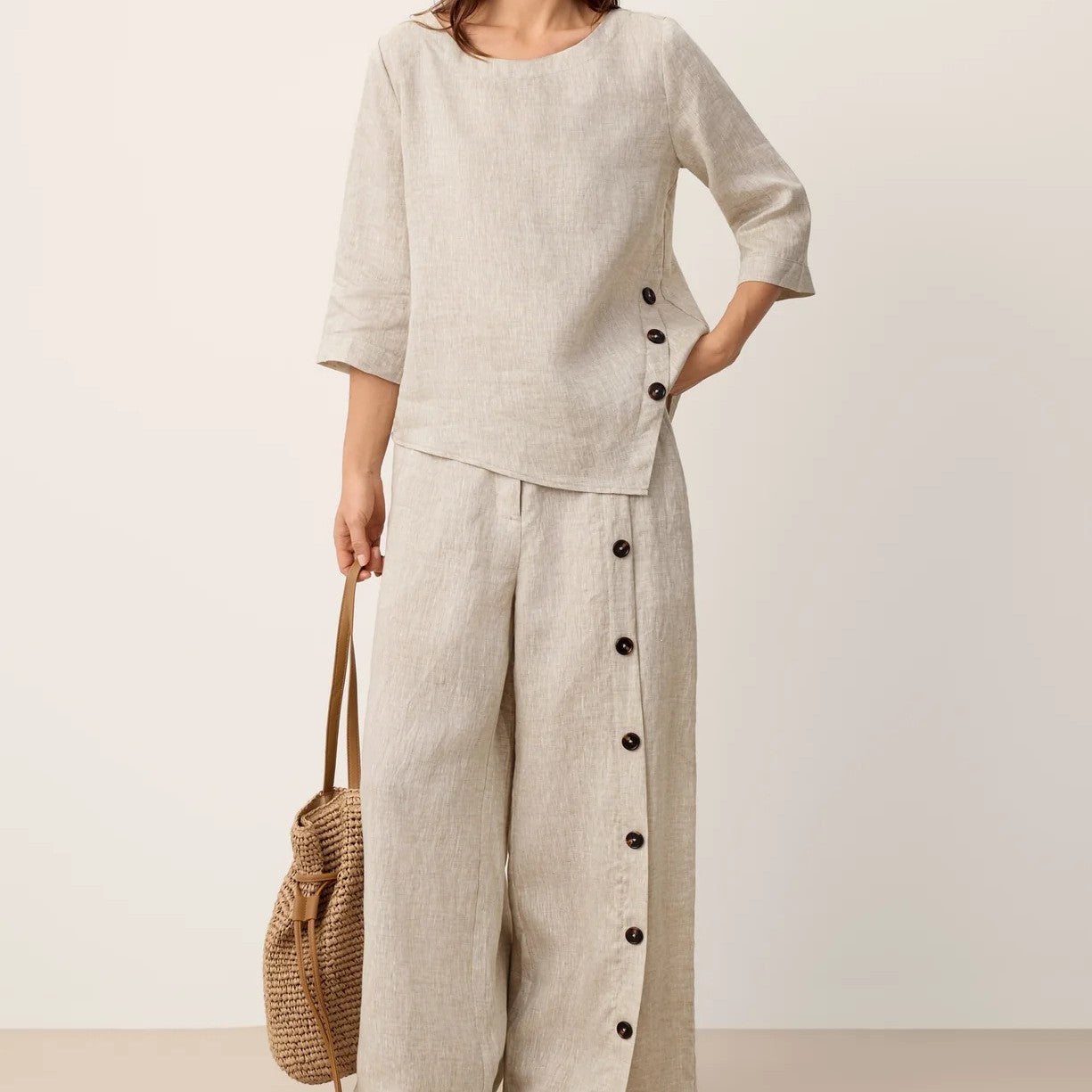
Compare two pieces side by side and judge construction first, fiber second. A well-woven cotton outlasts a cheap "luxury" blend every time. A linen-blend set like the Aria coordinate set is one example of a breathable, natural-fiber-based piece.
| Fiber | Strength | Weakness | Best For |
|---|---|---|---|
| Cotton | Breathable, easy care | Can shrink, wrinkle | Everyday wear |
| Linen | Cool, strong, textured | Creases easily | Warm weather |
| Wool | Warm, resilient | Needs careful washing | Cool weather |
| Silk | Smooth, light, lustrous | Delicate, costly | Dresswear |
| Polyester | Durable, wrinkle-resistant | Low breathability | Travel, activewear |
Watch out: a fiber name on a label guarantees nothing about staple length, spinning, or finishing, treat it as a starting point, not a verdict.
Types of Fabrics With Pictures and Names: A Field Guide
Knowing the common types of fabrics with pictures and names helps you match a garment to its job. Plain weave looks like a simple grid and suits shirts. Twill shows diagonal lines and resists wear. Satin has a glossy face and a matte back. Jersey knits stretch in one direction. Jacquard carries a woven pattern built into the cloth. Corduroy shows raised ridges. Fleece feels brushed and soft. When you shop, zoom in on photos and name the structure before you judge the color or cut.
Simple Tests for Durability, Pilling, and Colorfastness
Simple tests catch problems before you buy or before the first wash. These five checks turn visual inspection and touch into something you can run and compare across garments. Run them on a hidden seam or inside hem where possible, and record what you see so you can compare two pieces consistently.
-
Abrasion. Rub the fabric against itself ten times with moderate pressure, then inspect the rubbed area under good light. Fuzzing or a roughened surface means weak fibers or a loose spin. A fabric that survives twenty rubs with no visible change is likely to hold up at cuffs, elbows, and seat seams. Watch out: rubbing a delicate silk or a loose knit this way can damage it, so test those on an inside seam only.
-
Pilling. Look for small balls on high-friction areas like cuffs, underarms, and the sides of the torso. Pilling is caused by short fibers working loose and tangling, so it is a direct signal of staple length and spin quality. If a new garment already shows pills on the shelf, it will worsen with wear. To predict pilling, rub a hidden area with your thumb for ten seconds and check for loose fiber.
-
Shrinkage. Check the care label for wash temperature and fiber blend, then cross-reference the fiber's known behavior. Cotton and linen can shrink several percent on the first hot wash unless the fabric is pre-shrunk or sanforized; wool can felt and shrink dramatically with heat and agitation; polyester and nylon shrink little. A garment whose care label demands cold wash and line dry is telling you the maker did not stabilize the fabric, factor that into ownership cost.
-
Colorfastness. Rub a damp white cloth on a hidden seam or inside hem with firm pressure for five seconds. Color transfer onto the white cloth is a red flag, especially for indigo denim, deep reds, and saturated blacks. Repeat after the first home wash to see whether the dye continues to bleed. Poor colorfastness shortens a garment's life because fading and crocking make it look worn long before the fibers fail.
-
Recovery. Stretch a knit gently across its width, hold for five seconds, and release. It should spring back to its original shape within a few seconds. Slow recovery signals poor elasticity, either low spandex content, degraded spandex, or a loose knit structure, and predicts bagging at knees, elbows, and necklines. Compare recovery across two garments by stretching both the same amount and timing the return.
These tests are not laboratory-grade, but they are consistent enough to compare fabrics side by side and to catch the failures that matter most in wear: fuzzing, pilling, shrinking, bleeding, and bagging. Use them together with the visual checks above, and treat any single failure as a reason to look more closely rather than an automatic rejection.
Choose Fabrics That Last: A Checklist for Your Next Purchase
Use this checklist before you pay. It turns everything above into a quick routine.
- Read the full fiber content, not just the headline word
- Zoom into photos for weave evenness and gaps
- Check stitch density at seams and hems
- Feel for drape and hand feel if shopping in person
- Confirm care instructions match your routine
- Look for color consistency across seams
- Check the return policy before ordering online
If you want to buy fewer, better pieces, pair this checklist with our guide on how to build a minimalist capsule wardrobe.
Judging fabric quality takes practice, but the payoff is a wardrobe that lasts. Vanelys Trading curates premium apparel, beauty essentials, and fragrances chosen for construction and finish, so you can shop with confidence. Explore our collections and choose pieces built to elevate your everyday style.
Frequently Asked Questions
How can you tell if a fabric is high quality when shopping online?
Start with the fiber content and construction details in the listing. Look for specific terms like 'long-staple cotton' or 'two-ply yarn' rather than vague claims. Check close-up photos for even weave and smooth surface. Read the care instructions: high-quality fabrics often specify gentle washing or dry cleaning. A 2023 study by Jang and colleagues found that designers judge fabric thickness through surface texture, flexibility, transparency, and weight, so zoom in on those cues. Also review the return policy so you can inspect the fabric in person.
What are the best quality fabrics for clothes?
There is no single best fabric, but high-quality versions of natural fibers like cotton, wool, silk, and linen are strong choices. Look for long-staple cotton, fine wool, and mulberry silk. Synthetic fabrics can also be high quality: tightly woven polyester or nylon can resist pilling and hold color well. The key is construction. An even weave, dense yarn, and proper finishing matter more than the fiber name alone. Certification labels can help you compare how fibers were sourced.
Does a heavier fabric always mean better quality?
No. Weight is only one cue. A heavy fabric can still pill or shrink if the yarn is weak or the finish is poor. Designers tend to perceive thickness through multiple cues, including surface texture, flexibility, transparency, and weight, not weight alone. For example, a lightweight silk can be more durable than a heavy low-grade cotton. Check the weave density and fiber length instead of relying on weight. Feel the fabric if possible: a dense, smooth surface often signals better quality than a thick but loose one.
How can you tell whether a fabric will pill or wear out quickly?
Look at the yarn and weave. Short fibers and loose weaves pill more easily. Rub the fabric gently between your fingers: if loose fibers surface quickly, pilling is likely. Check the label for fiber blends: synthetic blends with short-staple fibers tend to pill. A tight weave with smooth yarn resists abrasion. For online purchases, read reviews that mention pilling after washing. Also check care instructions: high-quality fabrics often recommend gentle washing or dry cleaning, which helps maintain the surface. If possible, ask the seller for abrasion test data or a sample swatch.
